

The basics of video game publishing contracts
When we look at the video game industry, we often only see the massive successes of major studios and the popularity of blockbuster titles. The buzz around certain games, and even the frequent use of things like CS2 cheats, can create the impression that this is an easy field to succeed in. However, the reality for most developers is much more complex.
Video game developers face three primary challenges: funding, marketing, and distribution. Many indie developers choose to self-publish, which allows them to keep all revenue and rights. While their marketing might be less effective, this can still be a net gain. Small teams can also self-finance through other work.
However, funding a small to medium-sized team for several years requires significant capital. Many developers also seek help with marketing and distribution to reach the widest audience. This is where publishers come in.
This article will cover the basics of publishing contracts, the legal agreements that regulate collaboration between developers and publishers.
What is a video game publishing contract?
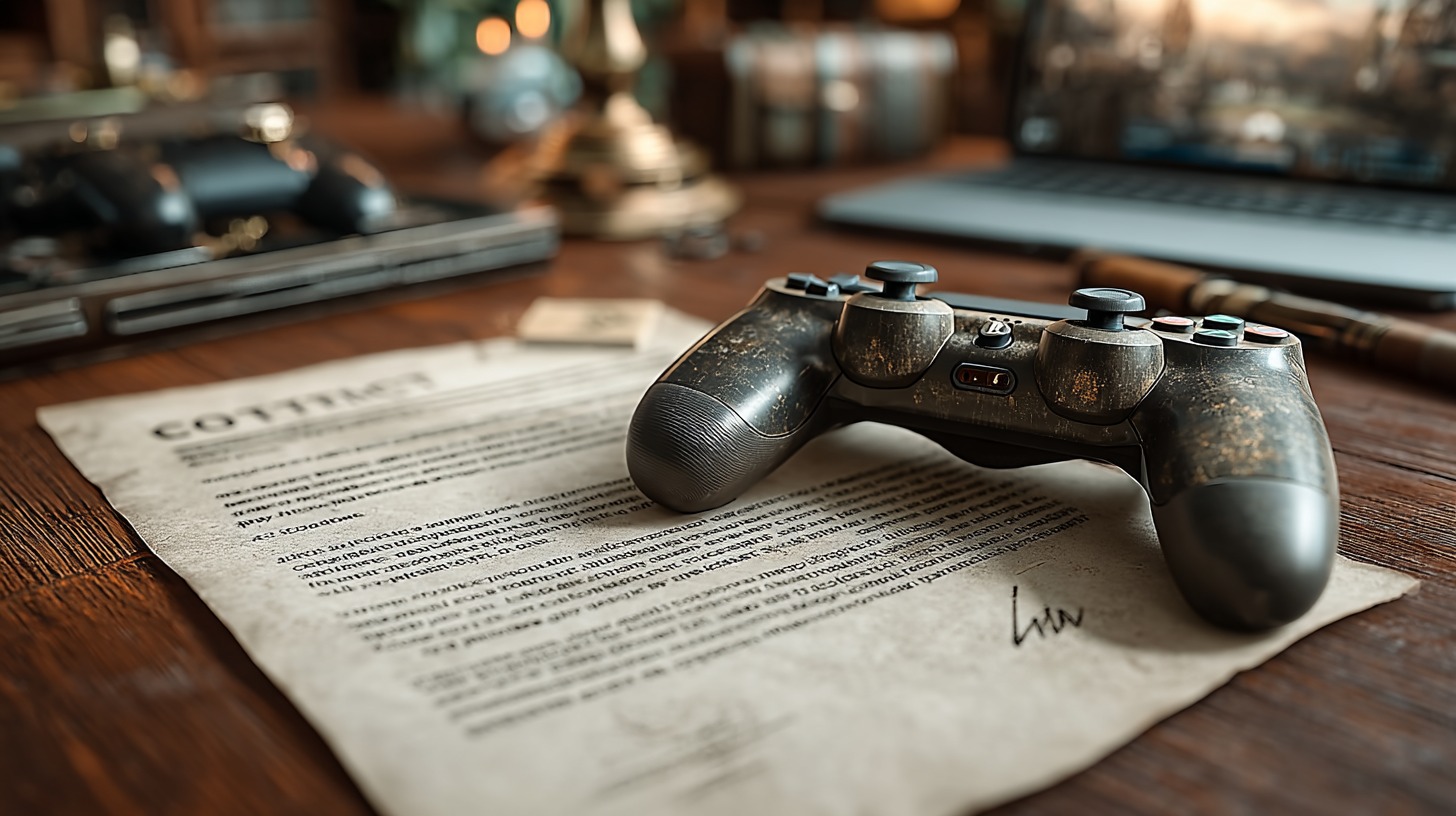
A publishing contract is a legal agreement between a game developer and a publisher. These contracts exist because developers need funding, distribution, and marketing, and publishers are willing to risk capital in return for certain rights and a share of the profits.
Typically, the publisher manages funding, marketing, distribution, and localization. In exchange, they receive rights to distribute and monetize the game, a revenue share, and sometimes additional rights, like options for sequels or DLC.
Most players don’t even imagine these concerns; they see a finished product that brings them pleasure and allows them to have a good time. Some players also like to play with an advantage and use mods or hacks like https://wh-satano.ru/en/cheats/cs2.

Key components of publishing contracts
Publishing contracts vary, but they generally cover several core components:
1. Intellectual property (IP) rights
Defining who owns the game’s IP is fundamental. Today, the most common structure is for developers to retain IP ownership and grant the publisher a distribution license. However, it’s not unusual for publishers to own the IP, especially with significant funding or a lower revenue share.
2. Funding and revenue sharing
Contracts detail all financial agreements, including upfront payments, milestone payments, and royalties. Since most publisher payments are repayable advances, the repayment terms must be clear, along with the consequences if development is canceled.
3. Distribution rights
These contracts specify distribution methods, regions, and exclusivity. Publishers almost always seek exclusive global rights, which significantly limits the developer’s ability to distribute, market, or license the game themselves.
4. Milestones and deadlines
Contracts outline specific milestones (alpha, beta, final release) tied to payments and publisher approval. Meeting these deadlines is crucial, as misses can lead to penalties or contract termination. The contract also specifies what happens if deadlines are missed.
5. Marketing responsibilities
Clarifying who handles marketing, budget, and scope is essential. Publishers usually have extensive marketing capabilities, but clear definitions of rights and obligations help prevent misunderstandings.
6. Termination clauses
These clauses outline the conditions under which either party can end the agreement and the effects on ownership and financial obligations. An unfair termination clause can bankrupt a small studio, so these are vital to negotiate carefully.
7. “Standard” legal clauses
Publishing contracts contain many legal clauses covering things like waivers, guarantees, and indemnification. These are sometimes presented as “boilerplate,” but they have critical implications and vary heavily. While a developer might ignore them, the publisher’s lawyers won’t.
Common pitfalls to avoid
Here are some common issues for developers in publishing contracts:
- Misinterpreting language: Everyday words have distinct legal meanings. The difference between “best efforts” and “reasonable efforts” may seem minor but is legally significant.
- Not understanding legal interactions: Clauses in a contract interact with and modify each other. Failing to understand these interactions can lead to unintended consequences.
- Not being realistic: It’s easy to be optimistic when getting funded, but deadlines are missed and disputes arise. The agreement is written to ensure fair behavior if things go wrong. Assuming “it will all work out” is naive and can lead to an unfair deal being used against you.
How a lawyer can help
Hiring a lawyer experienced in video game law is invaluable. A knowledgeable attorney will:
- Clarify complex legal terms.
- Negotiate better financial and IP ownership terms.
- Highlight hidden pitfalls to prevent costly mistakes.
- Identify what matters most to you and focus negotiations accordingly.