
Sales funnels in the property industry
In real estate, identifying which clients are ready to buy or sell isn’t always easy. A structured system — a real estate sales funnel — is essential to navigate this uncertainty, whether you’re helping clients buy properties in Al Jurf or sell a downtown condo.
Mastering the sales funnel is crucial; top agents and struggling ones are often distinguished by how effectively they manage this process. This guide breaks down each stage of the real estate sales funnel and offers practical strategies to help you succeed, whether you’re building your first pipeline or refining an established process.
What is a real estate sales funnel?
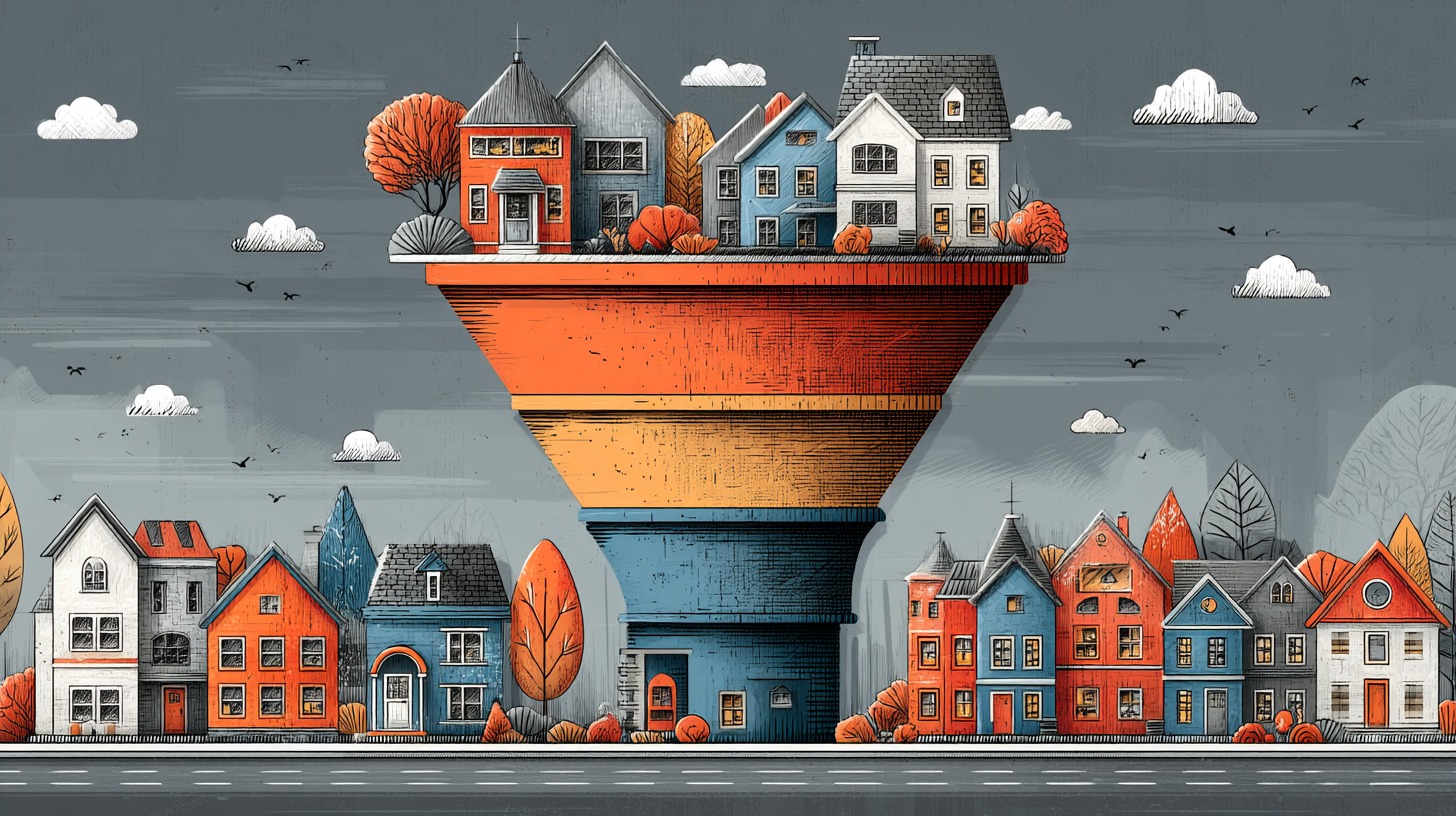
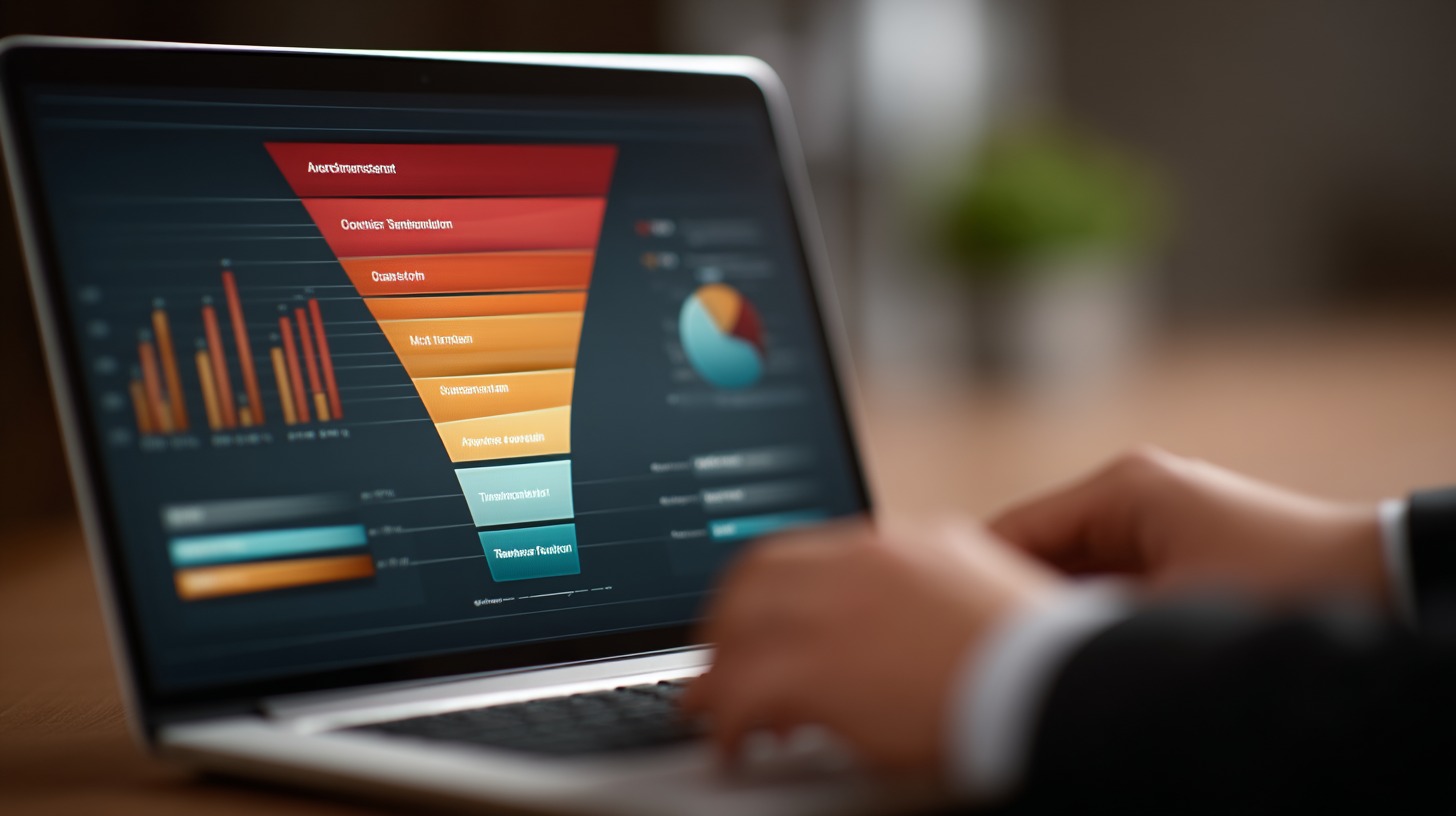
A sales funnel visualizes the client journey from awareness to transaction, narrowing as prospects move closer to a deal. For agents, this is critical due to the high-value, infrequent nature of property transactions. With industry conversion rates for real estate leads between 0.4% and 1.2%, optimizing every step of the funnel can significantly boost results.
Here’s how top agents outperform at each stage:
- Visitor to lead: 3.5–5% (vs. 2.2% average), driven by value-focused content.
- Lead to appointment: 25–30% (vs. 15%), with response times under 5 minutes.
- Appointment to client: 40–50% (vs. 25%), through strong personalization.
- Client to transaction: 85–90% (vs. 65%), with consistent follow-up.
Small improvements at each step add up to substantial gains.
Stage 1: awareness – building visibility
Awareness is when potential clients first learn about you. Most buyers (71%) and sellers (81%) work with the first agent they contact, making this stage critical. Strategies vary by experience:
- New agents: Leverage personal networks and community involvement.
- Mid-level agents: Use local SEO, content marketing, and partnerships.
- Established agents: Focus on referrals, targeted advertising, and thought leadership.
- Teams: Invest in paid lead generation and multi-channel marketing.
Align your approach with your stage of business, track performance, and refine efforts over time.
Stage 2: interest – generating leads
In the interest stage, prospects actively engage with your content or website. The goal is to capture their information by offering value, such as home valuation tools or neighborhood guides. Quick follow-up is key — contacting leads within 5 minutes increases conversion likelihood by 21 times.
Top lead generation channels include:
- Social media: 1.2–2.5% conversion rate, best for early-stage agents.
- Email marketing: 3.5% conversion rate, producing high-quality leads.
- Referrals: 15–20% conversion rate, with the best-quality leads.
Focus on building trust and offering value to encourage prospects to share their contact details.
Stage 3: consideration – building trust
In this phase, prospects evaluate whether you’re the right agent for them. The goal is to nurture relationships with consistent, helpful communication rather than pushing for a sale. Activities like educational emails, market updates, and personalized property alerts help keep you top of mind.
Patience is key — buyers typically spend 3–6 months in this stage. Systematic communications, such as CRM alerts or value-driven check-ins, can improve conversion rates significantly.
Stage 4: intent – closing the deal
At this stage, prospects show clear intent to act, such as requesting a meeting. Quick response times are essential:
- Under 5 minutes: 90% contact rate, 21x higher conversions.
- 5–30 minutes: 65% contact rate, 4x higher conversions.
Make it easy for prospects to take the next step, such as scheduling a consultation. Use a direct yet client-focused approach to guide them forward.
Stage 5: evaluation – standing out
During evaluation, prospects compare agents. Focus on their specific needs rather than promoting yourself. Showcase your value through tailored presentations, testimonials, and clear communication about fees and timelines. Proactively address objections and demonstrate how you’ll solve their problems to set yourself apart.
Stage 6: purchase – delivering results
In the purchase stage, clients finalize their transaction. Handle this phase professionally to ensure a smooth process and build trust. Address common closing challenges, such as financing or inspection issues, with clear communication and proactive solutions. Regular updates help reassure clients and reduce anxiety, fostering a positive experience.
Stage 7: loyalty – building relationships
The loyalty stage turns one-time clients into repeat customers and referral sources. Successful agents focus on maintaining long-term relationships through strategies like:
- Quarterly value emails.
- Home purchase anniversary notes.
- Annual client appreciation events.
- Regular check-ins.
Personal touches, like calls and events, yield the highest referral rates and ROI. A strong follow-up system ensures lasting connections.