
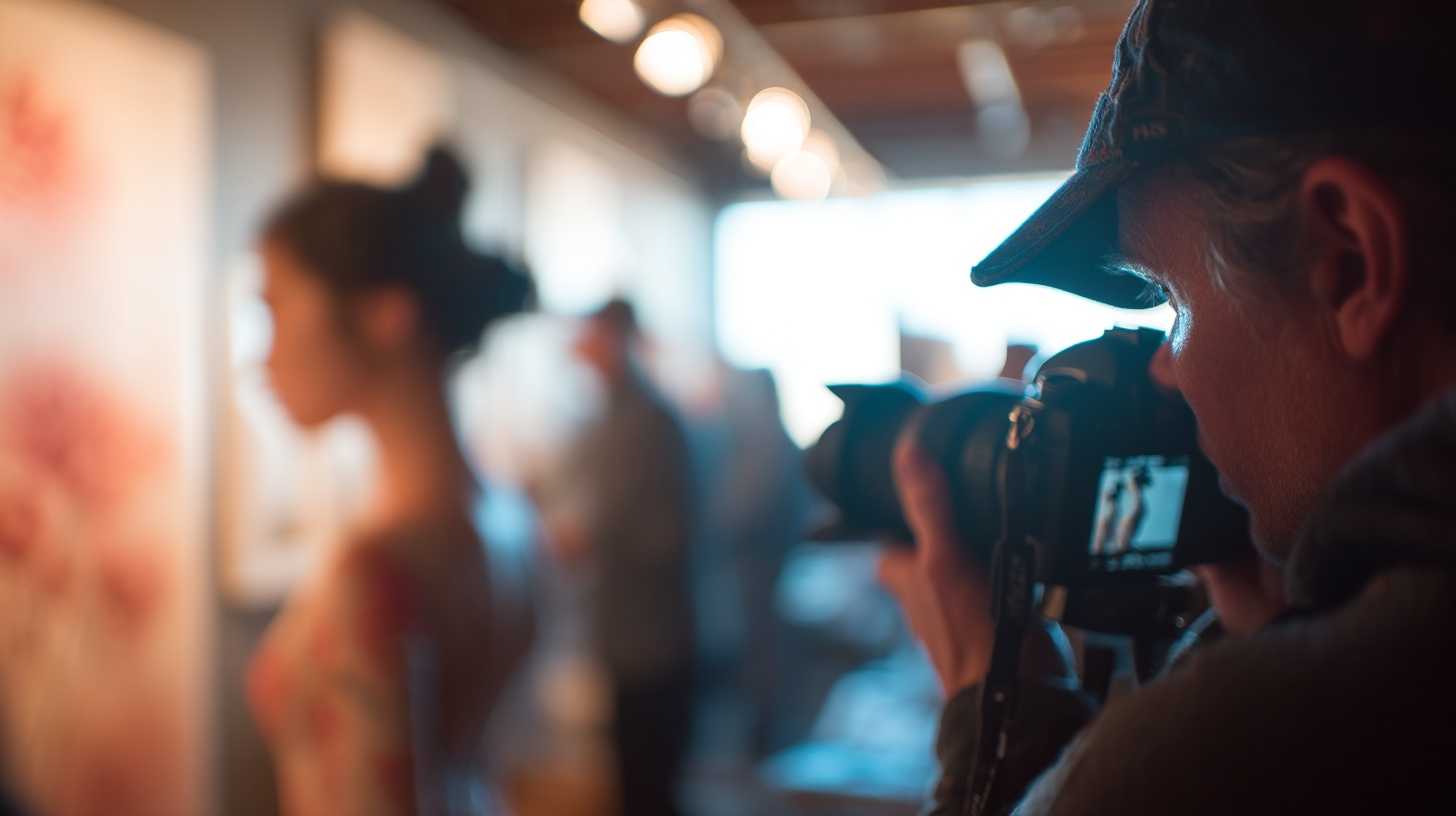
Essential skills every photographer should have
Photography often starts as a hobby, but with the right skills, it can become a fulfilling career. Whether you’re passionate about capturing the hustle of Times Square, providing high-quality Professional Headshots NYC, or photographing serene upstate landscapes, studying photography at the college level offers the tools to turn that passion into a profession. It requires a deeper understanding of the craft, which goes beyond simply clicking a shutter.
At its heart, photography involves technical decision-making, creative problem-solving, and purposeful communication. A college program helps students build confidence, refine their creative vision, and approach photography as both an art form and a professional skill.
1. Mastering camera basics
While automatic settings can produce good photos, great photography requires control and precision. College programs teach students how to manipulate exposure by understanding the relationship between aperture, shutter speed, and ISO. These choices affect how you capture motion in a busy Manhattan intersection or the clarity of a portrait against the Brooklyn Bridge. Students also explore different lenses, using varying focal lengths and perspectives to enhance their creative expression.
2. Developing a photographer’s eye
Anyone can take a snapshot, but creating a meaningful photograph requires intention. Learning to see like a photographer involves analyzing a scene for structure, balance, and focus points — whether you are shooting the iconic skyline from Gantry Plaza State Park or working within a professional New York photographer studio to capture intricate details.
Students explore composition, framing, and perspective to guide the viewer’s attention, establish relationships within the image, and eliminate distractions. By studying how color, contrast, and spatial arrangements contribute to visual storytelling, students learn to create images that communicate ideas rather than merely record moments.
3. Harnessing the power of light
Light shapes the tone and structure of a photograph, making it a key tool for emphasizing mood and meaning. Students learn to use light intentionally, whether working with the golden hour reflecting off the vessels in Hudson Yards or artificial studio sources.

Through practice, they master elements like direction, intensity, color temperature, and contrast to create desired effects. By experimenting with continuous lighting, flash, and studio setups, students gain the ability to adapt to various environments and maintain consistency in their work.
4. Editing and perfecting photos
Editing is less about fixing mistakes and more about refining creative intent. Students learn to evaluate their work critically, selecting the images — perhaps from a street session in Soho — that best align with their vision and technical growth.
They use adjustments to exposure, color, and contrast to enhance clarity and consistency, while cropping and aligning images improve composition. Over time, editing techniques and file organization become seamless parts of the workflow, elevating the final presentation of their photography.
5. Collaborating and managing projects
Photography often involves working with others, requiring strong communication and problem-solving skills. Whether directing a model for a fashion shoot in the Garment District or managing a project for a local gallery, photographers must translate ideas into clear, actionable guidance.
Students develop the ability to provide confident direction, respond thoughtfully to feedback, and adapt their approach to overcome challenges. Project-based learning emphasizes planning, time management, and accountability, tying technical and creative skills to real-world applications.
Photography is more than a hobby — it’s a craft that blends art and technique. Through disciplined study in a vibrant hub like New York, students can transform their passion into a career, equipped with the tools to create meaningful and impactful images.